In industrial manufacturing, choosing the right cutting tool can significantly influence productivity, material utilisation, and workplace safety. While saw blades, plasma cutters, laser machines, and shearing equipment all have their place, the Cut Off Wheel remains one of the most versatile solutions for metal cutting across fabrication shops, engineering units, construction sites, and manufacturing facilities.
Many industrial buyers and workshop operators assume that all cutting tools perform the same function. In reality, each is designed for a specific application. Understanding when a cut off wheel is the better choice helps businesses optimise production while avoiding unnecessary equipment costs and inefficient workflows.
Across Mumbai's industrial landscape, where sectors such as automotive manufacturing, heavy engineering, infrastructure, shipbuilding, and metal fabrication operate under demanding production schedules, cut off wheels continue to be an essential part of daily operations.
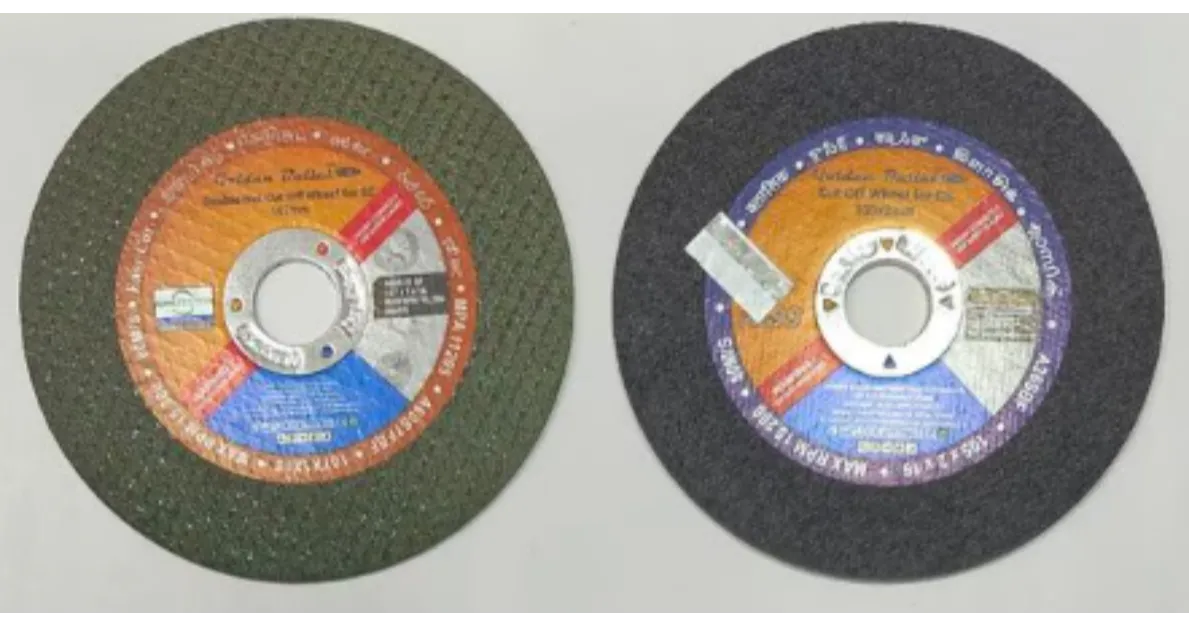
A cut off wheel is a thin bonded abrasive wheel designed specifically for cutting rather than grinding. As it rotates at high speed, the abrasive grains gradually remove material, creating a clean and controlled cut through metals and other industrial materials.
These wheels are commonly used to cut:
- Mild steel
- Stainless steel
- Structural steel
- Aluminium
- Pipes and tubes
- Solid metal bars
- Sheet metal
- Reinforcement rods
- Metal profiles and channels
Because they are lightweight and compatible with portable angle grinders and stationary cut-off machines, they offer flexibility for both workshop and on-site applications.
One of the biggest advantages of a cut off wheel is its ability to make quick, accurate cuts without requiring large, fixed machinery. For many fabrication businesses, this flexibility is particularly valuable when working on customised projects or handling components of different sizes.
A cut off wheel is often the preferred choice when:
- Cutting needs to be completed on-site.
- Materials vary in size and thickness.
- Portable equipment is required.
- Production involves repair or maintenance work.
- Small production batches are common.
- Access to larger cutting machines is limited.
These situations make abrasive cutting an efficient and practical solution.
However, understanding where other cutting technologies perform better is equally important.
Band saws are often selected for repetitive production because they provide consistent cuts with minimal material waste. Laser cutting offers exceptional precision for complex shapes but involves significant equipment investment. Plasma cutting performs well on thicker metals but typically requires additional finishing after cutting.
Cut off wheels bridge the gap by providing affordability, portability, and versatility without the infrastructure required by larger cutting systems.
Another important consideration is material thickness.
Thin cut off wheels generally produce faster cuts with reduced heat generation and less material loss. They are particularly effective for sheet metal, tubes, and lightweight structural sections.
Thicker wheels may provide greater durability for demanding industrial environments but can remove more material during cutting. Selecting the appropriate wheel thickness depends on both the application and the workpiece.
Material compatibility also influences wheel selection.
Stainless steel fabrication often requires wheels specifically designed to minimise contamination and maintain corrosion resistance. Aluminium applications may benefit from wheels engineered to reduce loading, while structural steel cutting demands products capable of handling high cutting pressures.
Using the correct wheel specification helps improve cutting efficiency while extending product life.
Operator technique has a major impact on cutting performance.
For safe and efficient operation, manufacturers generally recommend:
- Allowing the wheel to cut naturally without excessive force.
- Maintaining a straight cutting angle.
- Securing the workpiece properly before cutting.
- Inspecting the wheel for damage before installation.
- Matching the wheel speed rating with the machine.
- Wearing appropriate personal protective equipment.
Applying excessive pressure or twisting the wheel during operation can reduce cutting efficiency and increase the risk of wheel failure.
Procurement managers evaluating cut off wheels should look beyond the purchase price.
Important selection factors include:
- Cutting speed
- Wheel lifespan
- Cutting precision
- Material compatibility
- Heat generation
- Operator safety
- Product consistency
- Overall cost per completed cut
A wheel that delivers faster cutting with fewer replacements often contributes to lower production costs over time.
Another aspect worth considering is inventory management. Manufacturing companies that work with multiple materials often benefit from sourcing cut off wheels from suppliers offering a broad range of specifications. This simplifies procurement while ensuring that operators always have access to products suited to specific applications.
Mumbai remains one of India's leading manufacturing and engineering hubs, supporting industries ranging from infrastructure and marine engineering to automotive production and precision fabrication. Businesses operating in these sectors depend on cutting solutions that combine reliability, efficiency, and consistent performance to meet demanding production schedules.
V. Mehta Abrasives Pvt. Ltd. supplies industrial cut off wheels designed for a variety of metal cutting applications. By understanding the operational needs of fabrication units, engineering companies, and manufacturing facilities, the company provides abrasive solutions that support efficient and reliable cutting processes. Businesses seeking more information about product specifications and industrial applications can explore the company's offerings through vmehtaabrasives.com.
Choosing a cut off wheel is not simply about selecting a consumable—it is about matching the cutting solution to the application. When manufacturers understand where abrasive cutting performs best and how to select the appropriate wheel, they can improve productivity, achieve cleaner cuts, reduce consumable waste, and support safer, more efficient manufacturing operations.
Keywords