Industrial bonding has evolved significantly over the years. While mechanical fasteners such as screws, rivets, and welding continue to play an important role, many manufacturers now rely on Double Sided Tape for applications that demand clean finishes, quick assembly, and reliable adhesion. From automotive production and signage to furniture manufacturing and electronics assembly, double sided tape has become an essential industrial solution.
However, not all double sided tapes offer the same level of performance. Selecting the wrong product can result in bond failure, assembly delays, material damage, or increased maintenance costs. For procurement managers and manufacturing businesses in Mumbai, understanding what differentiates industrial-grade double sided tape from general-purpose products is essential for making informed purchasing decisions.
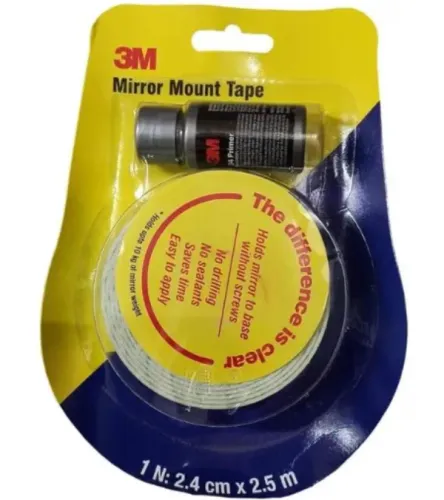
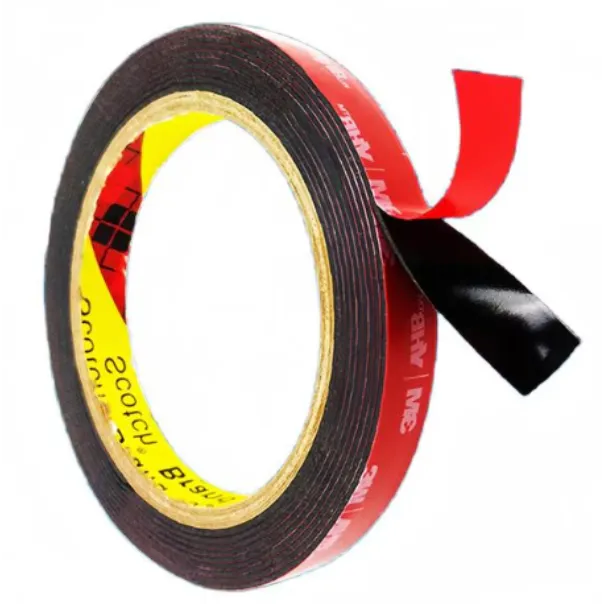
Double sided tape features adhesive on both sides of a carrier material or foam core, allowing two surfaces to be joined without visible fasteners. Unlike conventional fixing methods, it creates a clean appearance while distributing stress more evenly across the bonded area.
Its versatility makes it suitable for numerous industrial applications, including:
- Metal panel bonding
- Interior automotive assemblies
- Signage installation
- Furniture manufacturing
- Glass and acrylic fixing
- Plastic component assembly
- Electrical equipment manufacturing
- Industrial display systems
Because different materials behave differently, choosing the correct tape depends on more than just adhesive strength.
One of the first considerations is the type of surface being bonded.
Industrial applications commonly involve:
- Stainless steel
- Aluminium
- Powder-coated metals
- Glass
- Acrylic sheets
- Plastic components
- Wood
- Composite materials
Each surface has unique characteristics, including texture, surface energy, and environmental exposure. A tape that performs well on smooth metal may not provide the same results on textured plastic or painted surfaces.
The working environment is equally important.
Industrial components are often exposed to conditions such as:
- High temperatures
- Humidity
- Dust
- Vibrations
- UV exposure
- Indoor and outdoor environments
Selecting a double sided tape designed for these conditions helps maintain long-term bond reliability. Ignoring environmental factors may lead to premature adhesive failure and unnecessary maintenance.
Another key factor is load distribution.
Unlike screws or rivets that concentrate stress at specific fixing points, double sided tape spreads loads across the entire bonded surface. This reduces localised stress and can improve the durability of lightweight assemblies.
For manufacturers producing display panels, decorative trims, equipment enclosures, or architectural elements, this even distribution contributes to cleaner aesthetics and improved structural integrity.
Thickness also plays an important role in product selection.
Thin tapes are commonly used where precision and minimal joint visibility are priorities. Foam-based double sided tapes offer additional cushioning, making them suitable for bonding uneven surfaces or applications requiring vibration absorption.
Choosing the correct thickness depends on the gap between surfaces, the required flexibility, and the operating conditions.
Surface preparation remains one of the most overlooked aspects of adhesive bonding.
Even the highest-quality tape may fail if applied to contaminated surfaces. Dust, oil, grease, moisture, and loose particles reduce adhesive contact and compromise bond strength.
Before application, manufacturers generally recommend:
- Cleaning surfaces thoroughly
- Ensuring surfaces are dry
- Removing oils and contaminants
- Applying consistent pressure during installation
- Allowing sufficient curing time where recommended
Proper preparation significantly improves bonding performance and long-term reliability.
Procurement teams should also consider production efficiency.
Double sided tape can simplify assembly by eliminating drilling, welding, or mechanical fastening in many applications. This often reduces production time, minimises surface damage, and creates a cleaner finished appearance.
For industries producing decorative panels, signage, furniture, appliances, or lightweight engineering components, adhesive bonding can streamline manufacturing while reducing secondary finishing operations.
When comparing suppliers, industrial buyers should evaluate more than the product price.
Important purchasing criteria include:
- Adhesive consistency
- Material compatibility
- Temperature resistance
- Durability under industrial conditions
- Availability of different widths and thicknesses
- Technical application support
- Reliable inventory and supply
A dependable supplier helps manufacturers maintain uninterrupted production while ensuring consistent product performance.
Many procurement managers also calculate the total cost of ownership rather than focusing solely on purchase price. A tape that provides longer-lasting adhesion and reduces assembly failures often delivers greater value over time by lowering rework, warranty issues, and maintenance requirements.
Mumbai continues to serve as one of India's major manufacturing and industrial centres, supporting sectors such as automotive production, engineering, infrastructure, furniture manufacturing, electronics, and commercial interiors. Businesses operating in these industries require bonding solutions that combine reliability, efficiency, and ease of application.
V. Mehta Abrasives Pvt. Ltd. supplies industrial double sided tapes suitable for a wide variety of bonding applications. By understanding the operational requirements of different manufacturing sectors, the company provides adhesive solutions that support efficient assembly processes and dependable product performance. Businesses seeking more information can explore product specifications and application guidance through vmehtaabrasives.com.
Choosing the right double sided tape is not simply about selecting an adhesive—it is about matching the product to the application, material, and operating environment. When manufacturers consider these factors carefully, they can improve assembly quality, enhance production efficiency, and achieve reliable long-term bonding across diverse industrial applications.
Keywords