Selecting the right Abrasives Supplier is one of the most important decisions for any manufacturing or fabrication business. Abrasive products play a direct role in cutting, grinding, polishing, finishing, and surface preparation. Whether you operate a metal fabrication unit, automotive manufacturing plant, engineering workshop, or construction business, the quality of abrasives you use affects productivity, equipment life, and finished product quality.
For industries across Mumbai and Maharashtra, where manufacturing operates at a fast pace, sourcing reliable abrasive products from a trusted supplier can help reduce downtime and improve operational efficiency.
Why Abrasives Matter in Industrial Operations
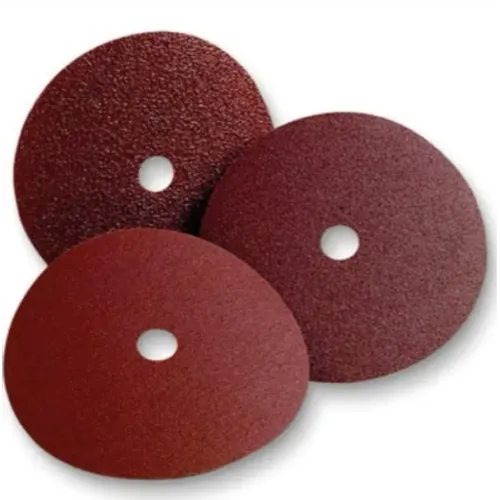
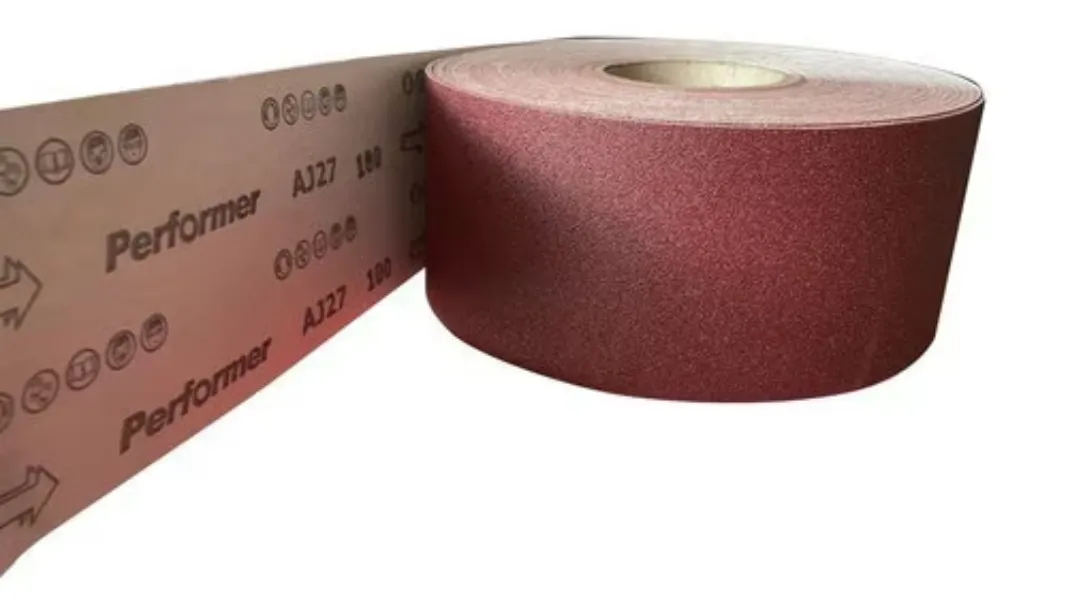
Abrasives are designed to remove material, smooth surfaces, shape components, or prepare them for painting, coating, or welding. They are available in several forms, including grinding wheels, coated abrasives, flap discs, abrasive belts, non-woven abrasives, and cut-off wheels.
Using the correct abrasive helps
- Achieve better surface finishes
- Increase production speed
- Reduce material wastage
- Improve dimensional accuracy
- Extend tool life
- Enhance workplace safety
Choosing the wrong abrasive often leads to inconsistent finishes, excessive wear, and higher operating costs.
What Makes a Good Abrasives Supplier?
Industrial buyers should evaluate more than just pricing when selecting a supplier.
Wide Product Range
A dependable supplier should provide multiple abrasive solutions suitable for different industries and applications. Having access to various product categories from one source simplifies procurement and inventory management.
Consistent Product Quality
Manufacturing processes demand consistency. Abrasive products should perform reliably from one batch to another to maintain production quality and avoid unexpected interruptions.
Technical Knowledge
Different materials require different abrasive solutions. Stainless steel, mild steel, aluminium, cast iron, wood, and composites each need specific abrasive products.
A knowledgeable supplier can recommend suitable products based on
- Material type
- Surface finish requirements
- Production volume
- Machine compatibility
- Application process
This guidance helps businesses avoid costly purchasing mistakes.
Reliable Stock Availability
Unexpected shortages can delay production schedules. A supplier that maintains adequate inventory helps manufacturers receive products when required without long waiting periods.
Understanding Industrial Requirements
Every manufacturing unit has unique abrasive requirements.
For example
- Sheet metal fabricators often use cut-off wheels and flap discs.
- Automotive manufacturers require precision finishing abrasives.
- Furniture manufacturers depend on quality sandpaper and abrasive belts.
- Tool rooms use grinding wheels for sharpening and precision machining.
- Industrial maintenance teams require multiple abrasive solutions for repair and maintenance work.
Understanding these differences allows buyers to source products that improve efficiency rather than simply choosing the lowest-cost option.
Importance of Product Compatibility
Not every abrasive works effectively on every machine.
Before purchasing, buyers should verify
- Machine speed compatibility
- Disc or belt dimensions
- Recommended operating conditions
- Material suitability
- Safety standards
Using incompatible products may reduce performance and increase the risk of equipment damage.
Quality Should Be a Long-Term Investment
Lower-priced abrasives may appear economical initially but often wear out faster, require frequent replacement, and increase labour costs.
High-quality abrasives generally offer
- Longer service life
- Faster cutting performance
- Reduced vibration
- Better finish quality
- Lower replacement frequency
These advantages contribute to improved production efficiency and lower overall operating costs.
Questions to Ask Before Choosing a Supplier
Industrial buyers can simplify supplier evaluation by asking a few practical questions
- Does the supplier offer products for multiple industrial applications?
- Are products sourced from reputed manufacturers?
- Is technical guidance available?
- Can they support bulk industrial requirements?
- Do they maintain consistent stock?
- Are products suitable for your machinery?
- Can they provide recommendations for different materials?
These questions help businesses make informed purchasing decisions.
Why Local Availability Matters
Working with an established supplier in Mumbai offers practical advantages.
Local availability often results in
- Faster deliveries
- Easier communication
- Better inventory support
- Quicker replacement if needed
- Improved supply chain reliability
Manufacturing companies operating in Maharashtra frequently prefer suppliers who understand regional industrial requirements and can respond quickly to changing production demands
Keywords