Choosing the right Masking Tape may seem like a small purchasing decision, but in manufacturing, automotive refinishing, powder coating, painting, and fabrication industries, it can have a significant impact on product quality and production efficiency. A masking tape that fails to adhere properly or leaves adhesive residue can lead to paint defects, rework, damaged surfaces, and increased production costs.
For procurement managers and production teams, understanding the characteristics of industrial masking tape helps ensure smoother operations and more consistent finishing results. Businesses across Mumbai's manufacturing sector increasingly evaluate masking tape based on application performance rather than simply comparing prices.
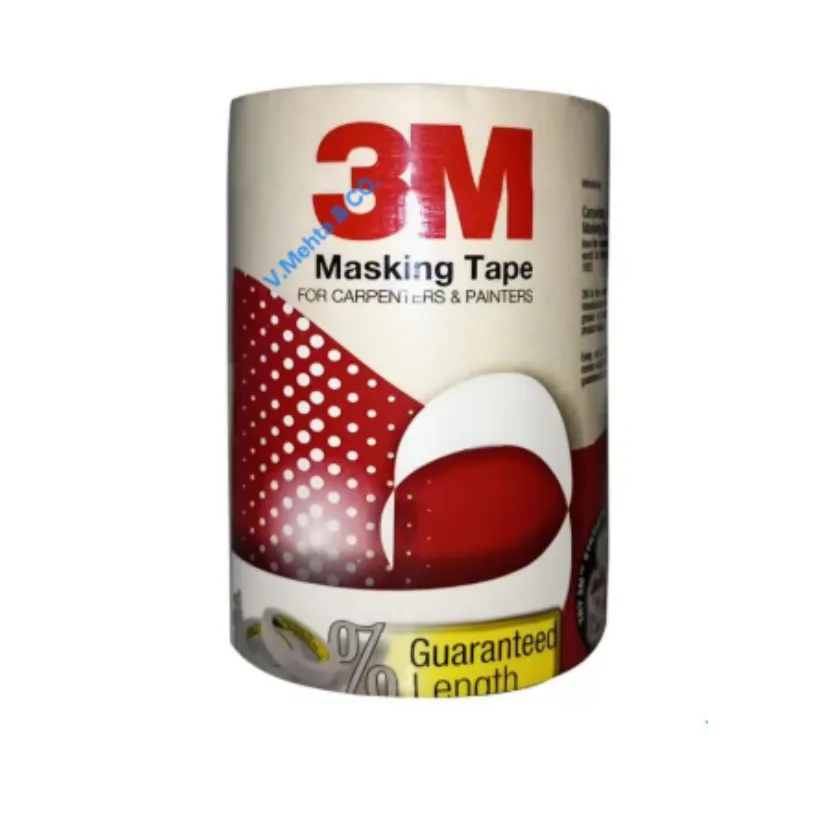
Industrial masking tape is designed to temporarily protect selected areas of a surface during painting, coating, blasting, polishing, or processing. Unlike ordinary household tape, industrial masking tape is engineered to withstand demanding environments while allowing clean removal after the job is complete.
It is widely used in industries such as:
- Automotive manufacturing and refinishing
- Powder coating facilities
- Metal fabrication
- Furniture manufacturing
- Industrial painting
- Construction projects
- Electronics assembly
- Engineering workshops
Because each application places different demands on the tape, selecting the right product is essential.
One of the most important factors is adhesive performance.
A good industrial masking tape should provide secure adhesion throughout the process without damaging the surface during removal. Poor-quality tapes may peel prematurely, allow paint seepage, or leave adhesive residue that requires additional cleaning.
The ideal balance is strong temporary adhesion combined with clean removal.
Temperature resistance is another critical consideration.
Many industrial processes involve elevated temperatures during baking, curing, or drying. Standard masking tapes may lose adhesion or become difficult to remove under these conditions.
For applications involving powder coating, automotive paint booths, or industrial ovens, procurement teams should select masking tapes specifically designed to withstand the required temperature range without compromising performance.
Surface compatibility also matters.
Different materials require different adhesive characteristics.
Industrial masking tape may be applied to:
- Mild steel
- Stainless steel
- Aluminium
- Glass
- Plastic
- Wood
- Painted surfaces
- Composite materials
Selecting a tape suitable for the workpiece helps prevent surface damage while maintaining sharp masking lines.
Clean paint edges are one of the primary reasons manufacturers invest in quality masking tape.
Whether producing decorative metal panels, automotive components, machinery, or furniture, precise paint separation contributes to a professional finish. Inferior tapes often allow paint to bleed underneath the edge, creating uneven lines and increasing rework.
High-quality masking tape helps maintain crisp boundaries while improving the overall appearance of finished products.
Tape width and thickness should also match the application.
Narrow tapes are useful for curves, detailed masking, and precision work. Wider tapes provide better coverage for larger surfaces and reduce application time.
Similarly, thicker tapes may offer improved durability in demanding environments, while thinner products are often preferred where flexibility and precision are required.
Ease of application influences productivity as well.
Masking tape should unwind smoothly without tearing, stretching excessively, or curling during application. Efficient application reduces labour time, particularly in high-volume manufacturing environments where hundreds of components may require masking every day.
Clean removal is equally important.
After painting or coating, the tape should peel away easily without leaving adhesive residue or damaging the finished surface. Residue removal adds unnecessary labour and can delay production schedules.
When evaluating industrial masking tape, buyers should consider several practical questions:
- Will the tape be exposed to heat?
- What surface is being masked?
- Is precision paint separation required?
- How long will the tape remain applied?
- Does the process involve chemicals or moisture?
- Is clean removal essential?
Answering these questions helps narrow product selection based on actual operational requirements.
Procurement managers should also evaluate supplier reliability.
Important considerations include:
- Consistent product quality
- Availability of multiple tape widths
- Temperature-resistant product options
- Reliable adhesive performance
- Timely product availability
- Technical guidance for industrial applications
A dependable supplier helps minimise production interruptions while supporting consistent manufacturing standards.
Another aspect often overlooked is total operational cost.
Lower-cost masking tape may appear economical initially but can increase expenses through paint defects, adhesive residue, premature lifting, or frequent tape replacement. Evaluating cost per completed job rather than unit price often provides a more accurate picture of long-term value.
Mumbai remains one of India's largest industrial and manufacturing centres, serving sectors such as automotive production, heavy engineering, furniture manufacturing, infrastructure, marine engineering, and industrial finishing. These industries require masking solutions capable of supporting demanding production environments while maintaining consistent product quality.
V. Mehta Abrasives Pvt. Ltd. supplies industrial masking tapes designed for a variety of manufacturing and finishing applications. By understanding the operational requirements of different industries, the company offers solutions that support efficient masking, clean paint lines, and dependable surface protection. Businesses can explore product specifications and application information through vmehtaabrasives.com to better understand the available options for industrial use.
Selecting the right masking tape is about more than temporarily covering a surface. It is an important part of maintaining finish quality, reducing rework, and improving manufacturing efficiency. By choosing masking tape based on application requirements rather than price alone, businesses can achieve more reliable results while supporting smoother production processes.
Keywords