An Abrasive Belt is one of the most widely used consumables in modern manufacturing, yet its selection is often based on habit rather than application requirements. Using the wrong abrasive belt can result in uneven finishes, premature belt failure, excessive heat generation, and lower production efficiency. On the other hand, choosing the right belt can improve surface quality, extend machine uptime, and reduce the overall cost of finishing operations.
From metal fabrication units and woodworking facilities to automotive component manufacturers and engineering companies, industries across Mumbai rely on abrasive belts for consistent sanding and finishing. Understanding how these belts differ and what factors influence their performance helps procurement teams and production managers make informed purchasing decisions.
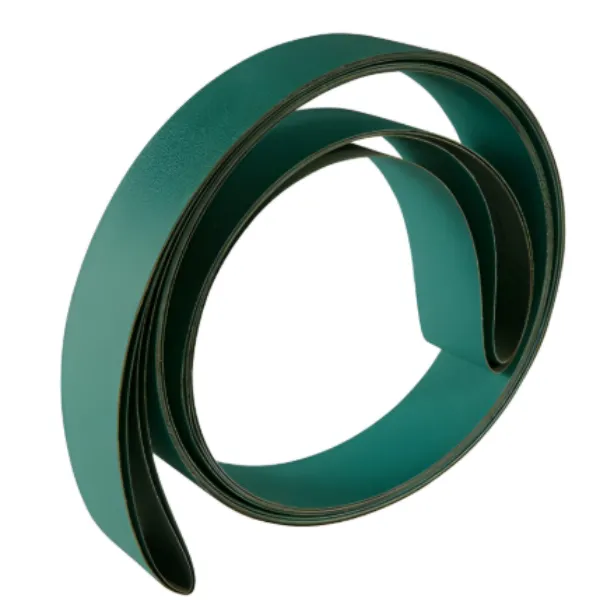
An abrasive belt is a continuous loop of abrasive material bonded to a flexible backing. It is designed to run on belt sanding or grinding machines, allowing continuous contact with the workpiece. Unlike handheld sanding sheets, abrasive belts are engineered for repetitive industrial use where speed, consistency, and durability are essential.
Their applications span a wide range of industries, including:
- Metal fabrication
- Stainless steel finishing
- Woodworking and furniture manufacturing
- Automotive component production
- Sheet metal processing
- Tool manufacturing
- Engineering workshops
- Aluminium fabrication
Because every industry has different finishing requirements, no single abrasive belt is suitable for every application.
One of the first decisions when selecting an abrasive belt is choosing the appropriate grit size.
Different grit ranges serve different purposes:
- Coarse grits (36–60): Heavy material removal, weld leveling, paint removal, and edge shaping.
- Medium grits (80–120): General sanding, smoothing rough surfaces, and preparing components for further finishing.
- Fine grits (150–240): Surface refinement before coating, painting, or polishing.
- Extra-fine grits (320 and above): Precision finishing and decorative surface preparation.
Attempting to achieve a fine finish using only coarse grit often leaves deep scratch marks, while using fine grit for heavy stock removal increases production time and belt consumption.
Another important consideration is the abrasive grain itself.
Aluminium oxide is a versatile option suitable for general-purpose sanding on wood and various metals. Zirconia alumina provides greater durability and performs well in demanding metal fabrication environments. Ceramic abrasives are designed for high-pressure industrial applications where maximum cutting efficiency and extended belt life are required. Silicon carbide is often selected for finer finishing on non-ferrous metals, glass, composites, and certain engineered materials.
Matching the abrasive grain to the material significantly improves cutting performance while reducing unnecessary wear.
The belt backing also influences productivity.
Paper-backed belts are commonly used for lighter sanding applications and manual operations. Cloth-backed belts offer greater flexibility and tear resistance, making them ideal for industrial belt sanders operating under continuous workloads. Polyester and other reinforced backings provide additional strength for demanding production environments where higher pressure and longer operating cycles are expected.
Selecting the correct backing ensures better stability and reduces the likelihood of belt damage during operation.
Different materials require different sanding approaches.
For stainless steel fabrication, abrasive belts should provide efficient cutting while minimizing heat buildup that could affect surface appearance. Aluminium processing benefits from belts designed to resist loading, preventing metal particles from clogging the abrasive surface. Woodworking applications often require progressive grit sequences to produce smooth finishes without damaging the grain.
Choosing an abrasive belt without considering the workpiece material frequently results in inconsistent finishes and higher operating costs.
Manufacturers should also evaluate the operating conditions of their sanding equipment.
Factors such as machine speed, contact pressure, belt tracking, and cooling all affect belt performance. Excessive pressure does not necessarily increase productivity; instead, it can shorten belt life, increase heat generation, and place unnecessary strain on machinery.
Routine machine maintenance, including proper belt alignment and clean contact rollers, helps maximize abrasive performance and improve finish consistency.
Many production challenges stem from avoidable mistakes when using abrasive belts.
Some common issues include:
- Selecting an incorrect grit size.
- Using worn belts beyond their effective life.
- Applying excessive grinding pressure.
- Running belts at unsuitable machine speeds.
- Ignoring recommended operating conditions.
- Using one belt specification for multiple materials.
Addressing these factors often improves production efficiency without requiring significant investment in new equipment.
When evaluating suppliers, procurement managers should look beyond unit pricing.
Important selection criteria include:
- Consistent product quality.
- Reliable abrasive performance.
- Long belt life.
- Availability in different sizes and grit options.
- Technical guidance for application-specific requirements.
- Dependable inventory and timely delivery.
A belt that lasts longer and produces fewer rejected components often provides greater value than a lower-cost alternative requiring frequent replacement.
Manufacturing companies in Mumbai operate in highly competitive sectors where production efficiency directly influences profitability. Automotive suppliers, engineering firms, fabrication workshops, furniture manufacturers, and industrial processors all depend on reliable abrasive solutions to maintain quality standards while meeting demanding production schedules.
V. Mehta Abrasives Pvt. Ltd. offers a comprehensive range of abrasive belts designed for diverse industrial applications. By understanding the specific requirements of different manufacturing sectors, the company helps businesses identify suitable abrasive solutions for sanding, grinding, deburring, and surface preparation. Product information and application insights are available through vmehtaabrasives.com for organisations looking to optimise their finishing processes.
Choosing the right abrasive belt is about more than selecting a consumable—it is about improving the entire manufacturing workflow. When grit size, abrasive grain, backing material, and application are aligned, businesses can achieve smoother finishes, extend belt life, reduce production interruptions, and maintain consistent quality across every stage of surface finishing.
Keywords