Choosing the right Sand Paper is more important than many people realize. The wrong grit, backing material, or abrasive type can lead to poor surface quality, unnecessary material loss, increased labour, and higher production costs. Whether the application involves woodworking, sheet metal fabrication, automotive refinishing, or industrial manufacturing, selecting sand paper that matches the task helps achieve consistent results while improving overall efficiency.
Manufacturers and workshops across Mumbai and Maharashtra use sand paper every day for surface preparation, finishing, paint removal, and polishing. Yet, procurement teams and machine operators often face the same question: Which sand paper is best for the job? The answer depends on the material being processed, the desired finish, and the stage of production.
Sand paper consists of abrasive grains bonded to a backing material such as paper, cloth, film, or fibre. These abrasive grains cut away tiny amounts of material, allowing surfaces to become smoother, cleaner, or better prepared for the next manufacturing process. Modern sand paper is available in numerous grit sizes and abrasive materials, making it suitable for everything from heavy stock removal to precision finishing.
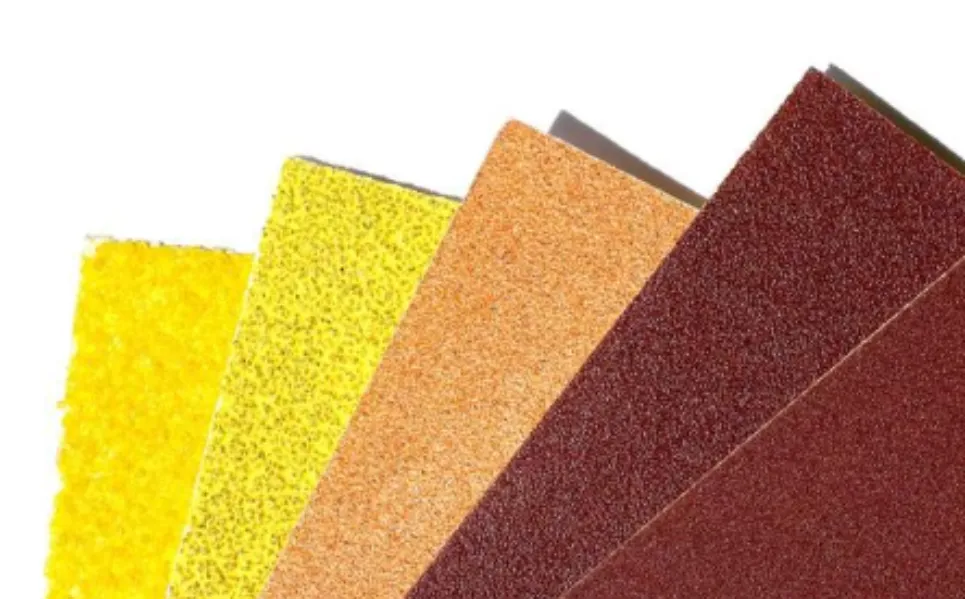
One of the first factors to consider is grit size. Grit indicates the size of the abrasive particles and has a direct impact on the finish achieved.
A general guide includes:
Coarse grit (40–60): Suitable for removing paint, rust, rough edges, and significant material.
Medium grit (80–120): Ideal for smoothing surfaces after initial sanding and preparing materials for further finishing.
Fine grit (150–220): Used before painting, polishing, or coating to achieve a smooth surface.
Very fine grit (320 and above): Designed for final finishing, polishing, and delicate surface refinement.
Progressing through multiple grit sizes often produces better results than attempting to complete the entire process with a single abrasive.
The material being worked on also influences the selection.
For wood, sand paper is commonly used to smooth rough timber, remove old finishes, prepare furniture for polishing, and refine decorative surfaces. Coarse grits are useful for shaping raw wood, while finer grits help create a clean finish before staining or painting. Furniture manufacturers generally follow a gradual sanding sequence to avoid visible scratch marks.
Metalworking requires a different approach. Mild steel, stainless steel, and aluminium each respond differently to abrasion. Metal fabrication shops often use coarse sand paper for weld blending or removing oxidation before switching to finer grades for finishing. Heat-resistant backing materials are particularly valuable when sanding metal because they withstand demanding industrial conditions.
Automotive workshops use sand paper during body repair, primer preparation, paint correction, and refinishing. Consistent grit progression is essential to achieve smooth painted surfaces without visible imperfections.
The backing material is another important consideration.
Different backings provide varying levels of flexibility, durability, and tear resistance.
Common options include:
Paper backing: Lightweight and suitable for manual sanding or finishing applications.
Cloth backing: More durable and flexible, making it ideal for industrial machines and continuous sanding.
Film backing: Offers excellent dimensional stability and uniform scratch patterns.
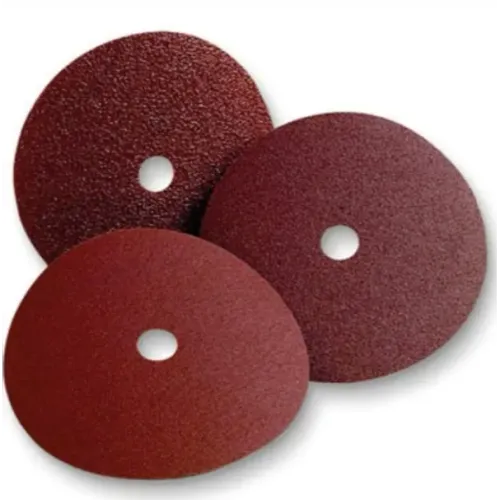
Fibre backing: Commonly used for demanding industrial applications requiring higher strength.
Selecting the correct backing improves both productivity and abrasive life, especially in high-volume manufacturing environments.
Another consideration is the abrasive grain itself.
Aluminium oxide is widely used because of its durability and versatility across wood and metal applications. Silicon carbide is preferred for finer finishes and harder materials, while ceramic abrasives deliver exceptional performance during heavy industrial grinding and sanding. Zirconia abrasives are commonly selected for demanding metal fabrication tasks due to their long service life.
Choosing the right grain helps improve cutting performance while reducing the frequency of abrasive replacement.
Many manufacturers unknowingly reduce productivity by making avoidable sanding mistakes. Some of the most common include:
- Using a coarse grit for finishing work.
- Skipping intermediate grit sizes.
- Applying excessive pressure during sanding.
- Continuing to use worn-out abrasives.
- Selecting products designed for different materials.
- Ignoring machine speed recommendations.
Correcting these mistakes often improves finish quality without increasing production costs.
Industrial procurement managers also evaluate sand paper based on operational efficiency rather than purchase price alone. A lower-cost product that wears out quickly or delivers inconsistent finishes may increase overall manufacturing expenses through frequent replacement, rework, and production delays.
When evaluating suppliers, businesses typically consider:
- Product consistency
- Availability of multiple grit options
- Durability under continuous use
- Compatibility with industrial equipment
- Technical support for product selection
- Reliable supply for ongoing production
These factors contribute to smoother procurement planning and more predictable manufacturing performance.
Mumbai continues to be one of India's largest industrial hubs, serving sectors such as engineering, automotive, construction, marine, furniture manufacturing, and precision fabrication. Businesses operating in these industries require dependable abrasive solutions that match varying production requirements while maintaining quality standards.
V. Mehta Abrasives Pvt. Ltd. supplies a wide range of industrial sanding and surface finishing products to meet diverse manufacturing needs. The company supports businesses by offering application-specific abrasive solutions and helping industrial buyers understand which products are best suited for different materials and finishing objectives. More information about its abrasive portfolio and industrial applications can be found on vmehtaabrasives.com.
Selecting the right sand paper is not simply about choosing the finest or coarsest grit available. It involves understanding the workpiece, the production process, and the finish required. With the right combination of grit size, backing material, and abrasive grain, manufacturers can improve efficiency, extend consumable life, and consistently produce high-quality finished products across a wide range of industrial applications.
Keywords