Metal fabrication involves far more than simply cutting and joining materials. Every stage, from weld preparation to surface finishing, influences the quality, durability, and appearance of the final product. Two of the most commonly used abrasive tools in fabrication workshops are the Flap Disc and the Grinding Wheel. While both are designed for metalworking, they are built for different purposes and deliver different results.
For procurement managers, workshop owners, and fabrication professionals across Mumbai and Maharashtra, understanding these differences can improve productivity, reduce consumable costs, and ensure better surface quality. Selecting the right abrasive for the application is often more important than selecting the most powerful machine.
Although flap discs and grinding wheels are mounted on similar angle grinders, their construction is fundamentally different.
A grinding wheel is manufactured from bonded abrasive grains that are designed for aggressive material removal. It excels at rapidly removing excess metal, smoothing heavy welds, beveling edges, and preparing components for further processing.
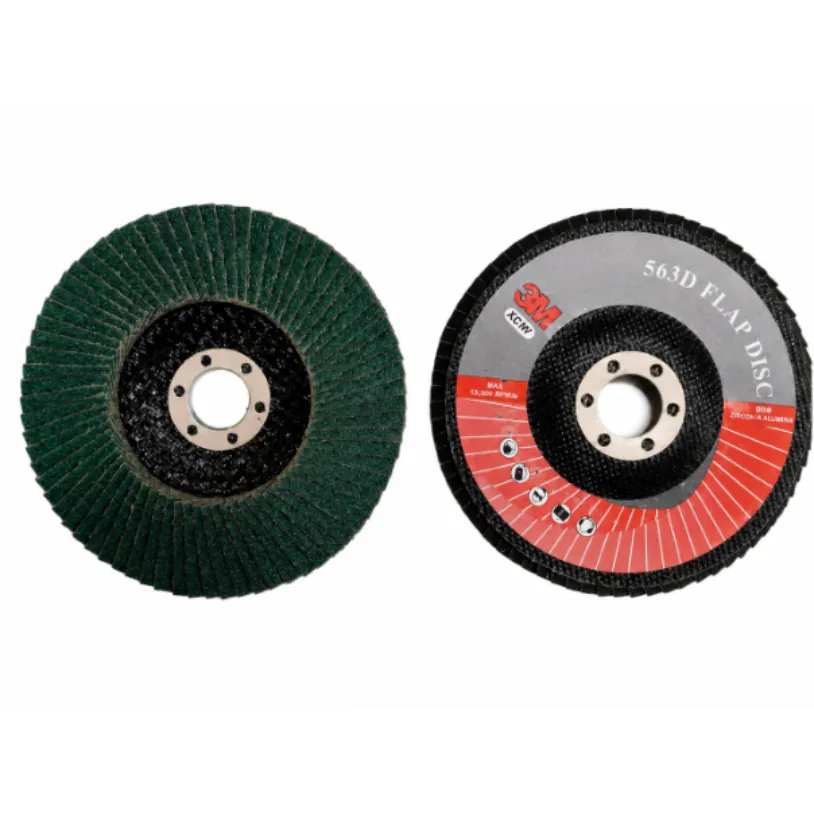
A flap disc, on the other hand, consists of multiple overlapping abrasive flaps attached to a backing plate. As the outer flaps wear away, fresh abrasive material is continuously exposed, helping maintain consistent cutting performance throughout the product's lifespan. This design enables the flap disc to perform grinding, blending, and finishing in a single operation.
Understanding where each product performs best begins with the intended application.
Grinding wheels are generally the preferred choice when the job involves:
- Heavy weld removal
- Large-scale stock removal
- Edge beveling
- Surface leveling
- Cleaning rough castings
- Preparing thick metal sections for fabrication
Their aggressive cutting action allows operators to remove significant amounts of material quickly, making them suitable for demanding industrial environments.
Flap discs are better suited for applications such as:
- Weld blending
- Surface finishing
- Deburring
- Rust removal
- Paint removal
- Preparing metal before coating
- Producing smooth, consistent finishes
Because they combine grinding and finishing capabilities, flap discs often eliminate the need for multiple abrasive changes during production.
One of the biggest considerations for manufacturers is finish quality.
Grinding wheels leave a relatively rough surface because their primary objective is rapid material removal. If a smooth finish is required afterward, additional sanding or polishing operations are usually necessary.
Flap discs produce a much finer finish while still removing material efficiently. The layered abrasive flaps conform more naturally to the workpiece, reducing deep scratches and creating a more uniform surface. For industries where appearance matters, such as stainless steel fabrication, architectural metalwork, food processing equipment, and automotive components, this can significantly reduce finishing time.
Another important factor is productivity.
Many workshops assume that grinding wheels are always faster because they remove material aggressively. While this is true for heavy grinding applications, production efficiency depends on the complete workflow.
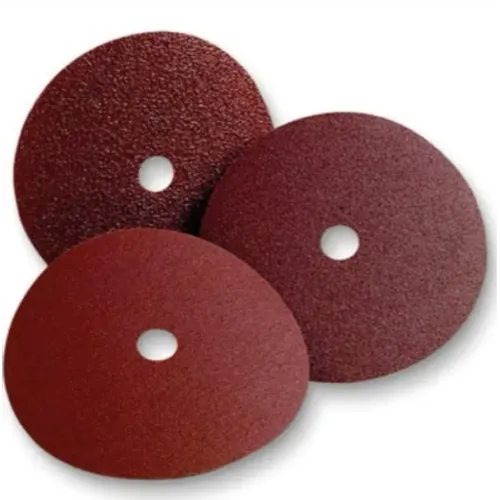
For example, using a grinding wheel followed by a fibre disc and then a polishing abrasive may require three tool changes. A flap disc can often complete grinding and finishing in a single step for light to medium applications, reducing downtime and improving overall productivity.
Heat generation also influences abrasive selection.
Grinding wheels concentrate more abrasive contact in a smaller area, generating higher temperatures during prolonged use. Excessive heat can cause discoloration, warping, or metallurgical changes in sensitive materials such as stainless steel.
Flap discs distribute abrasive action more evenly, reducing heat buildup and lowering the risk of damaging heat-sensitive workpieces. This makes them particularly valuable when cosmetic finish and dimensional stability are important.
Operator comfort is another practical consideration.
Flap discs generally produce less vibration than traditional grinding wheels because of their layered construction. Lower vibration can improve operator control during extended use and contribute to greater consistency across multiple workpieces.
Grinding wheels remain essential for demanding industrial applications, but they typically require more attention to pressure control and grinding technique to avoid excessive material removal.
When evaluating abrasive products, procurement managers should consider more than the initial purchase price.
Useful evaluation criteria include:
- Material removal rate
- Surface finish quality
- Product lifespan
- Number of process steps required
- Machine compatibility
- Heat generation
- Operator safety
- Cost per completed component
Looking beyond unit price often reveals opportunities to improve manufacturing efficiency while reducing overall operating expenses.
The type of material being processed also affects the decision.
For carbon steel fabrication, grinding wheels may be ideal during the initial stages, while flap discs provide better finishing results. Stainless steel manufacturers frequently prefer flap discs because they minimize surface contamination and create cleaner finishes. Aluminium processing often benefits from abrasives specifically designed to reduce loading and maintain cutting performance.
Many fabrication businesses successfully integrate both products into their workflow rather than treating them as competing solutions. Heavy grinding operations are completed with grinding wheels, followed by flap discs for blending and finishing before painting, coating, or assembly.
Mumbai remains a major centre for engineering, heavy fabrication, automotive manufacturing, construction equipment, and industrial processing. Businesses operating in these sectors require abrasive products that support consistent quality while maintaining efficient production schedules.
V. Mehta Abrasives Pvt. Ltd. supplies industrial abrasive solutions for a wide range of metalworking applications. By offering products suited to different stages of fabrication, the company helps manufacturers identify abrasive options that align with production requirements rather than relying on a single solution for every task. Information about its industrial abrasive portfolio and application guidance is available through vmehtaabrasives.com.
Choosing between a flap disc and a grinding wheel is not about determining which product is better overall. It is about selecting the right tool for the specific application. Understanding how each abrasive performs allows manufacturers to improve efficiency, reduce rework, achieve better surface finishes, and make more informed purchasing decisions that support long-term operational success.
Keywords