Industrial surface finishing is rarely a one-size-fits-all process. Every manufacturing operation has different requirements based on the material being processed, the desired finish, production speed, and cost considerations. Among the most commonly compared abrasive products are the Fiber Disc and the Flap Disc. While both are designed for grinding and finishing, they perform differently and are best suited to specific applications.
For procurement managers, fabrication companies, and engineering businesses in Mumbai, understanding the strengths of each product can help improve production efficiency while reducing unnecessary consumable costs. Instead of choosing an abrasive based solely on price, evaluating the application often leads to better long-term performance.
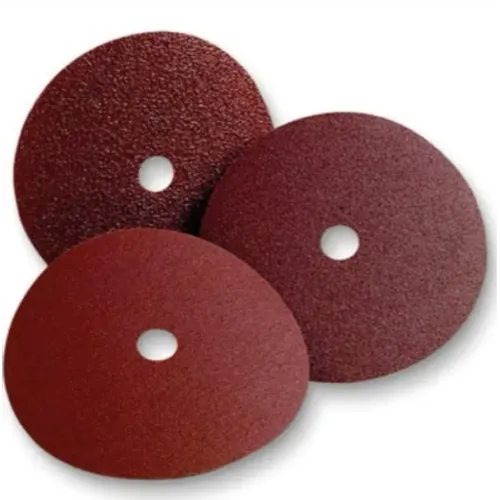
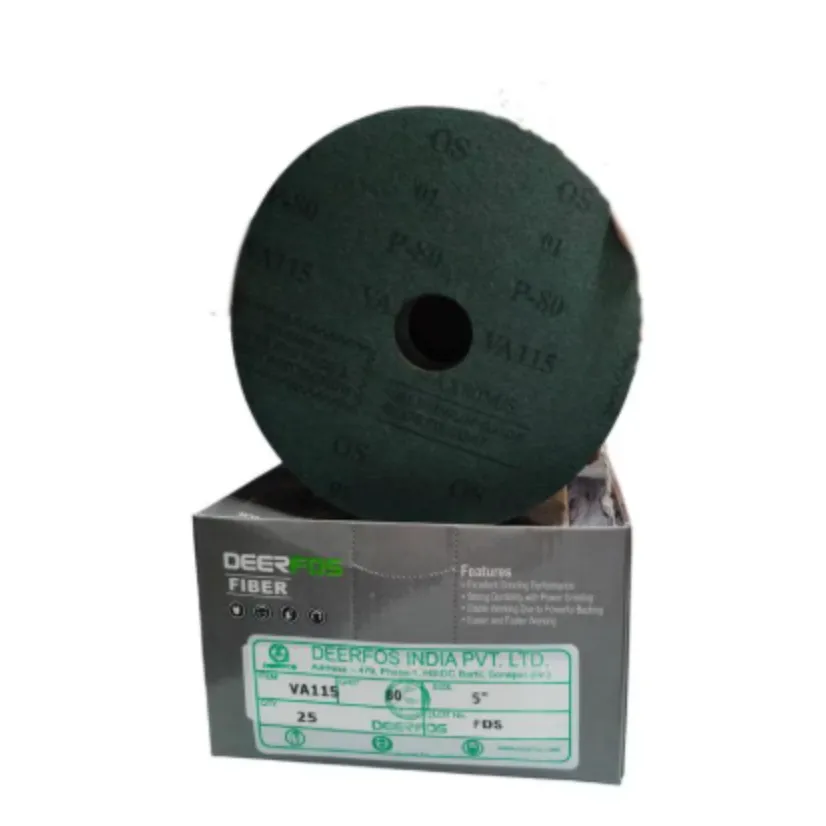
A fibre disc consists of a vulcanised fibre backing coated with abrasive grains. It is mounted on a backing pad and primarily used for aggressive grinding, weld removal, deburring, and heavy stock removal. Fibre discs are widely recognised for their ability to remove material quickly, making them a popular choice in fabrication shops and heavy engineering environments.
A flap disc, by comparison, is made from multiple overlapping layers of coated abrasive flaps fixed to a backing plate. As each flap wears away, fresh abrasive material is exposed, allowing the disc to maintain consistent cutting performance while producing a smoother finish than many conventional grinding products.
Although both products perform similar functions, they are not interchangeable.
Fibre discs are generally preferred when the objective is maximum material removal. They perform particularly well in applications such as:
- Removing heavy welds
- Eliminating casting marks
- Grinding rough metal surfaces
- Preparing steel before fabrication
- Cleaning thick oxidation
- Rapid stock removal
Because of their aggressive cutting action, fibre discs are often selected during the early stages of metal fabrication where productivity is a priority.
Flap discs are more suitable when manufacturers require a balance between grinding and finishing. They are commonly used for:
- Blending weld seams
- Surface finishing
- Deburring sharp edges
- Removing light rust
- Preparing surfaces before painting
- Refining stainless steel finishes
Their layered construction allows operators to complete multiple finishing steps with a single abrasive, reducing the need for frequent tool changes.
One of the key differences between the two products is the quality of the finished surface.
A fibre disc is designed to remove material rapidly, which often leaves a coarser scratch pattern. If the component requires a decorative finish or is intended for painting, polishing, or powder coating, an additional finishing process may be necessary.
A flap disc naturally produces a more uniform surface because the overlapping abrasive flaps create a smoother cutting action. In many fabrication environments, this eliminates the need for separate finishing abrasives, helping reduce production time.
Another important consideration is productivity.
Many industrial buyers assume that faster cutting always results in greater efficiency. However, the total manufacturing process should be evaluated rather than a single operation.
For example, a fibre disc may remove weld material faster than a flap disc, but if additional abrasives are required to achieve the final finish, the overall process may take longer. Conversely, a flap disc may perform grinding and finishing in one operation, improving workflow efficiency despite slightly slower material removal.
Heat generation also differs between the two products.
Aggressive grinding with fibre discs can produce higher temperatures, particularly when excessive pressure is applied. Heat buildup may affect the appearance of stainless steel or create unnecessary thermal stress on certain materials.
Flap discs generally generate less heat because the abrasive flaps distribute contact more evenly across the workpiece. This makes them especially suitable for applications where surface appearance and dimensional stability are important.
Cost evaluation is another area where procurement managers should look beyond the purchase price.
Factors worth comparing include:
- Material removal rate
- Product lifespan
- Number of finishing steps required
- Operator productivity
- Surface finish quality
- Machine compatibility
- Cost per finished component
A slightly higher-priced abrasive that reduces labour and process time may ultimately provide better value than a lower-cost product requiring additional finishing operations.
Material compatibility is equally important.
Carbon steel fabrication often benefits from both products at different stages of production. Stainless steel manufacturers frequently use flap discs to maintain clean, consistent finishes, while fibre discs remain valuable for heavy weld removal before refinement. Aluminium processing may require specialised abrasive formulations designed to minimise loading and maintain cutting efficiency.
Rather than selecting one product for every task, many manufacturing facilities successfully integrate both into their production workflow.
For example, structural fabrication units may use fibre discs to remove excess weld material quickly before switching to flap discs for blending and finishing. This combination improves both productivity and finish quality while reducing unnecessary rework.
Mumbai continues to be one of India's leading industrial centres, with businesses serving sectors such as automotive manufacturing, engineering, marine fabrication, infrastructure, furniture production, and precision metalworking. These industries depend on abrasive solutions that deliver reliable performance while supporting consistent manufacturing standards.
V. Mehta Abrasives Pvt. Ltd. offers a wide range of fibre discs and flap discs designed for diverse industrial applications. By understanding the operational requirements of different industries, the company provides abrasive solutions that help manufacturers optimise grinding and finishing processes. Product information and application guidance are available through vmehtaabrasives.com for businesses evaluating suitable abrasive options.
Choosing between a fibre disc and a flap disc is not about identifying a universally better product. It is about selecting the abrasive that best matches the application, production goals, and desired finish. By understanding their individual strengths, manufacturers can improve efficiency, reduce consumable waste, and achieve more consistent results across a wide variety of industrial surface finishing operations.
Keywords