Selecting the right abrasive can have a direct impact on production quality, efficiency, and operating costs. While many industrial buyers focus on machine specifications or raw materials, the choice between Coated Abrasives and Non Woven Abrasives is equally important. Each serves a different purpose, and understanding when to use one over the other helps manufacturers achieve better surface finishes while minimizing unnecessary material removal.
Across Mumbai's manufacturing ecosystem—from fabrication units and automotive workshops to engineering companies and furniture manufacturers—both types of abrasives are widely used. However, they are often mistaken as interchangeable products, leading to inconsistent finishes, higher consumable costs, or avoidable rework.
The primary difference lies in their construction and intended application.
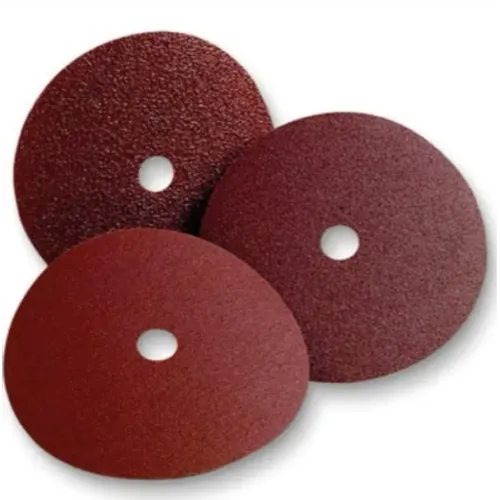
Coated abrasives consist of abrasive grains bonded to a flexible backing such as paper, cloth, or polyester. These products are engineered to remove material efficiently and are commonly available as sheets, rolls, discs, belts, and other formats. They are designed for sanding, shaping, deburring, and preparing surfaces for the next stage of manufacturing.
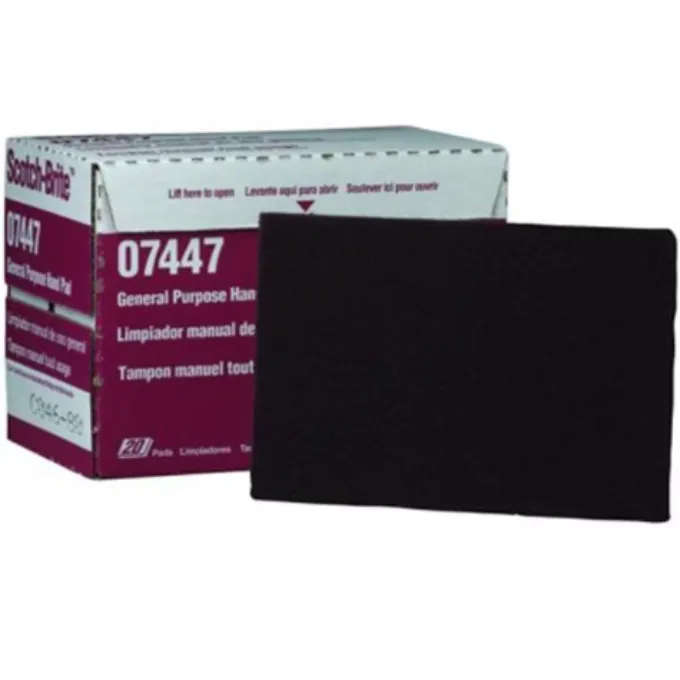
Non woven abrasives, on the other hand, are made from a three-dimensional synthetic fibre web impregnated with abrasive grains. Instead of aggressively cutting into the material, they clean, blend, polish, and refine surfaces while maintaining the shape of the workpiece. This unique construction allows them to deliver a consistent finish without gouging or leaving deep scratches.
Understanding the strengths of each product begins with knowing the intended task.
Coated abrasives are generally preferred when the objective is:
- Removing rust, paint, or old coatings
- Shaping metal or wood
- Heavy sanding operations
- Stock removal
- Surface levelling
- Preparing rough materials before finishing
Because they cut quickly, coated abrasives improve productivity during the initial stages of fabrication. They are commonly used in sheet metal processing, woodworking, automotive body preparation, and general engineering.
Non woven abrasives perform best when manufacturers need to:
- Blend weld seams
- Remove minor surface imperfections
- Produce satin or brushed finishes
- Clean oxidation without changing dimensions
- Prepare surfaces before coating
- Polish stainless steel or aluminium
Since these abrasives conform to irregular surfaces, they provide greater control during finishing operations and reduce the risk of damaging delicate components.
Another major difference is the surface finish they produce.
Coated abrasives create visible scratch patterns based on grit size. These scratches are often intentional because they prepare the material for painting, coating, or subsequent sanding. Choosing the correct grit progression—from coarse to fine—helps achieve smoother results while reducing finishing time.
Non woven abrasives generate a more uniform appearance because their fibre structure distributes the abrasive action evenly. Instead of creating pronounced scratch lines, they blend existing marks and leave a refined finish suitable for decorative or functional applications.
Material removal rates also differ significantly.
If production requires rapid removal of excess material, coated abrasives are usually the better choice. They maintain aggressive cutting performance throughout much of their working life, making them suitable for high-volume manufacturing.
Non woven abrasives remove material gradually. Their purpose is not aggressive cutting but controlled surface conditioning. This makes them ideal for applications where maintaining dimensional accuracy is important.
Durability is another factor procurement managers often evaluate.
Coated abrasives can wear faster when exposed to excessive heat, incorrect pressure, or unsuitable workpiece materials. Selecting the right backing material and abrasive grain helps maximize product life.
Non woven abrasives are generally resistant to loading because their open fibre construction allows dust and debris to escape more easily. This characteristic makes them particularly useful when working with softer metals or materials that tend to clog conventional abrasives.
When selecting between the two, manufacturers should consider several practical questions:
- Is heavy material removal required?
- Is the goal to prepare or finish the surface?
- What material is being processed?
- How important is the final appearance?
- Will multiple finishing stages be needed?
- Is production speed or cosmetic quality the higher priority?
The answers often determine whether coated or non woven abrasives are the more suitable option.
In many manufacturing environments, the most effective solution is not choosing one over the other but using both strategically.
For example, a fabrication shop producing stainless steel equipment may begin with coated abrasives to remove welds and level the surface. Once the desired shape is achieved, non woven abrasives can be used to blend scratches and create a smooth, uniform finish ready for customer delivery.
Similarly, furniture manufacturers often use coated abrasives during the initial sanding stages before switching to non woven products for fine finishing and surface preparation before coating.
Industrial buyers in Mumbai increasingly seek abrasive solutions that balance productivity with finish quality. Reliable suppliers help businesses understand how different abrasive technologies fit into specific manufacturing processes rather than recommending a one-size-fits-all approach.
V. Mehta Abrasives Pvt. Ltd. offers a range of coated and non woven abrasive solutions for diverse industrial applications. By understanding the operational requirements of different sectors, the company supports manufacturers in selecting products that align with their production goals. Product information and application guidance are available through vmehtaabrasives.com for businesses looking to make more informed purchasing decisions.
Choosing between coated abrasives and non woven abrasives is not simply about selecting a product from a catalogue. It involves matching the abrasive to the application, the material, and the desired outcome. When manufacturers understand these differences, they can improve process efficiency, achieve more consistent finishes, and make better long-term investments in their production operations.
Keywords