Every manufacturing process depends on precision, consistency, and product quality. Whether a component is being prepared for painting, polished for a finished appearance, or shaped to meet exact specifications, the right abrasives play a critical role in achieving the desired results. Despite being used across numerous industries, abrasives are often viewed simply as tools for grinding or sanding. In reality, they are engineered materials designed to improve productivity, enhance surface quality, and support efficient manufacturing processes.
Industries across Mumbai and Maharashtra, including automotive manufacturing, fabrication, engineering, furniture production, and metal processing, rely on abrasives for everyday operations. Choosing the appropriate abrasive solution not only improves the finish of a product but also helps reduce material waste, equipment wear, and production downtime.
At their core, abrasives are materials that remove small amounts of another material through friction. They are available in different forms, each designed for specific applications and materials. Selecting the correct type depends on factors such as the workpiece, desired finish, operating speed, and production requirements.
Some of the most commonly used abrasive products include:
- Coated abrasives for sanding and surface preparation
- Grinding wheels for material removal and shaping
- Flap discs for grinding and finishing in one operation
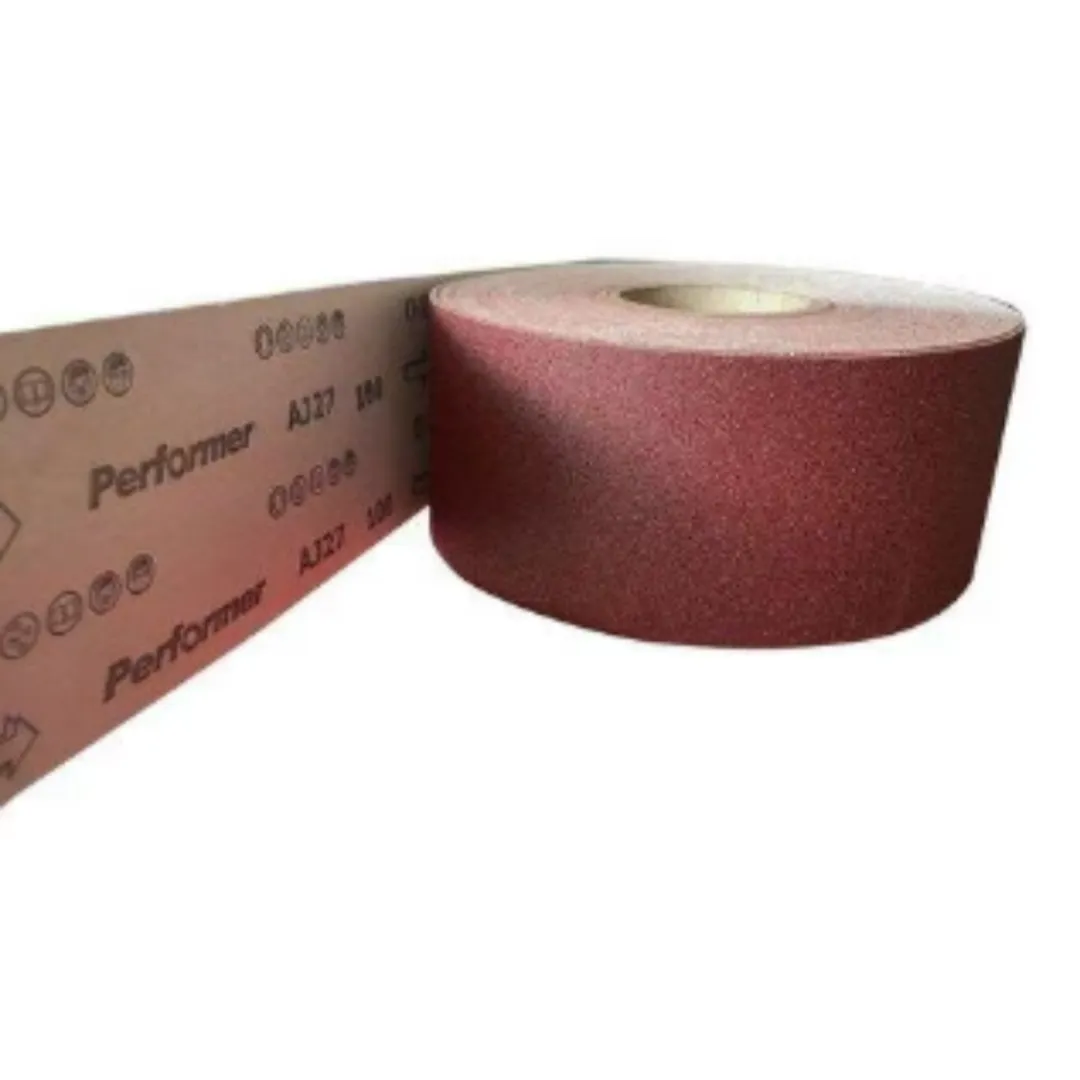
- Abrasive belts for continuous sanding on production lines
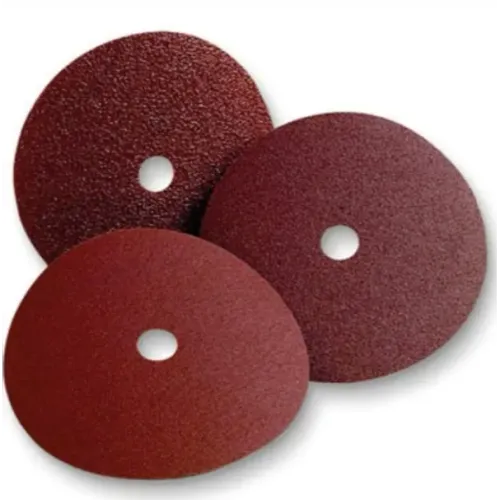
- Fibre discs for aggressive stock removal
- Cut off wheels for clean and efficient cutting
Non woven abrasives for blending, cleaning, and finishing delicate surfaces
Each product serves a unique purpose, and understanding these differences helps manufacturers achieve better process efficiency.
One of the biggest advantages of using the right abrasive is improved surface preparation. Before painting, coating, welding, or bonding materials together, surfaces must often be cleaned of rust, scale, oxidation, or previous coatings. Proper surface preparation creates better adhesion and contributes to the durability of the finished product.
For example, metal fabrication workshops frequently use grinding wheels to remove weld seams, followed by flap discs or non woven abrasives to create a smoother finish. Furniture manufacturers may use coated abrasives to prepare wooden surfaces before polishing or painting, while automotive industries often require fine finishing abrasives to achieve consistent cosmetic quality.
Another important consideration is abrasive grit size. Grit refers to the size of the abrasive particles and directly affects the finish produced.
As a general guideline:
- Coarse grits remove material quickly and are suitable for heavy stock removal.
- Medium grits smooth rough surfaces after initial grinding.
- Fine grits prepare surfaces for painting or polishing.
- Extra-fine grits create refined finishes on decorative or precision components.
Using a grit that is too coarse can damage the surface, while choosing one that is too fine for heavy material removal can slow production and increase operating costs.
Different workpiece materials also require different abrasive solutions. Stainless steel, aluminium, mild steel, wood, composites, and engineered materials all respond differently to grinding and sanding. An abrasive designed for one material may not deliver the same performance on another.
This is why procurement managers and production teams often evaluate abrasives based on factors such as:
- Material compatibility
- Cutting efficiency
- Heat generation
- Product lifespan
- Finish quality
- Operator safety
- Cost per finished component
Rather than focusing only on purchase price, many manufacturers now consider the total cost of ownership. A slightly higher-quality abrasive that lasts longer and reduces replacement frequency may ultimately lower production costs while improving consistency.
Safety is another essential aspect of abrasive use. High-speed grinding and cutting operations generate heat, sparks, and airborne particles. Using abrasives according to manufacturer recommendations, selecting the correct operating speed, and inspecting products before use all contribute to safer working environments.
Operators should also wear suitable personal protective equipment, including eye protection, gloves, hearing protection, and appropriate respiratory equipment where necessary. Regular maintenance of machines and proper storage of abrasive products help ensure reliable performance over time.
Manufacturing trends continue to influence abrasive technology as well. Modern industries increasingly seek solutions that improve productivity while maintaining consistent quality. Today's abrasive products are designed to deliver faster cutting rates, reduced vibration, longer service life, and improved operator comfort. These advancements support industries looking to increase efficiency without compromising precision.
Mumbai remains one of India's leading industrial and manufacturing centres, with businesses serving sectors such as engineering, infrastructure, marine, automotive, aerospace, and heavy fabrication. Reliable abrasive solutions are essential to maintaining production standards across these industries. Companies often look for suppliers that can offer a broad portfolio of industrial abrasives along with technical guidance for selecting products suited to specific manufacturing applications.
V. Mehta Abrasives Pvt. Ltd., based in Mumbai, has been associated with supplying industrial abrasive solutions for a wide range of manufacturing requirements. Businesses exploring different abrasive options often benefit from understanding product specifications, application suitability, and performance characteristics before making procurement decisions. Additional information about the company's product range and industrial applications is available through its website, vmehtaabrasives.com.
Understanding how abrasives function—and selecting the right product for each application—can make a measurable difference in manufacturing efficiency, surface quality, and overall production performance. Whether the goal is precision finishing, rapid material removal, or dependable surface preparation, informed abrasive selection helps industries achieve consistent results while supporting long-term operational productivity.
Keywords